DAILY POSTCARD | THURSDAY, FEBRUARY 19, 2026 |
|
|
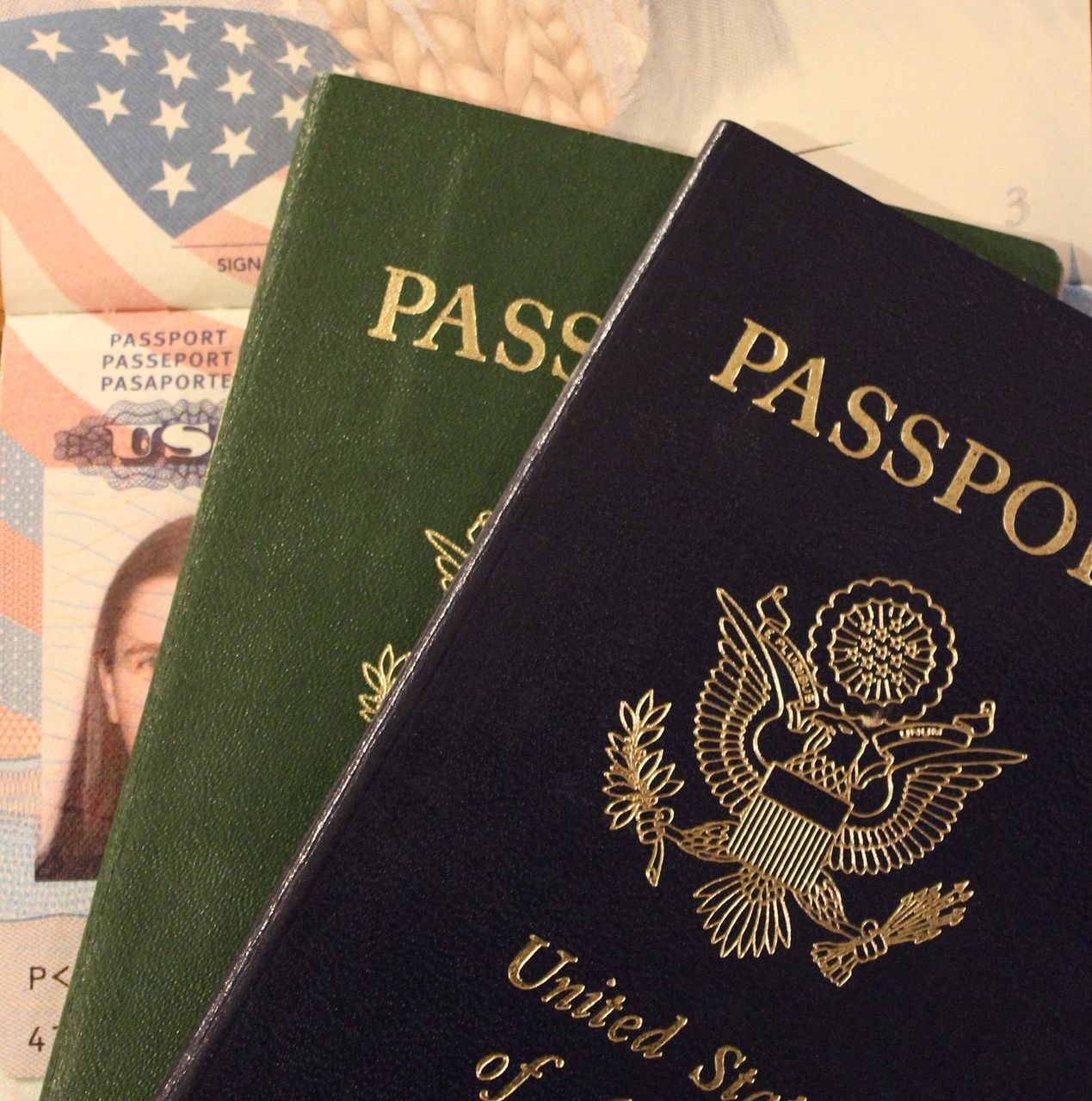
Dear International Living reader, One of the most important factors to consider about living overseas is your residency status. Will you become simply a resident of your new home… or a citizen? This decision has some important ramifications. Our Global Diversification Expert, Ted Baumann, explains below… | P.S. You may have the right to a second passport. Are you one of 128 million Americans eligible today, through DNA, in one of 50+ countries? Beyond ancestral ties, there are many other ways to get one. Find the path that works best for you. |
|
|
When Residency Isn't Enough |
|
|
My father, former US congressman Bob Bauman, is a stickler for proper English. For years, I've listened in bemusement as he tries to explain that "residence" and "residency" mean different things. Residence is a place: your home, for example. Residency, on the other hand, is a state of being, like having permission to reside in a country. |
| |
|
So, when we speak of the right of a non-citizen to remain in a foreign country indefinitely, we mean permanent residency, not permanent residence. That may seem like splitting hairs (I'll let you in on a secret: in most cases, it is). But there's another distinction that many people fail to appreciate. That's the deep and meaningful difference between permanent residency and citizenship. Recently, International Living commissioned a survey to ask whether people had an interest in acquiring a second passport. Given the state of affairs in the United States, the proportion who answered affirmatively was quite high. |
But a surprising number of people said that they didn't see the point in having another passport because they already had permanent residency in another country. Frank S., for example, said, "I got permanent residency in Costa Rica a while back. Why should I go through the hassle and expense of applying to become a citizen?" Frank is making a common mistake. And it could be costly. Permanent residency status allows a foreigner to remain in a country indefinitely. But that's about it. Here are some of the things it doesn't do: |
- Protect you from arbitrary deportation from that country.
- Guarantee your right of entry to the country, even under extraordinary conditions like the COVID pandemic.
- Give you full access to the legal system of that country.
- Ensure you have full rights to purchase property anywhere in the country.
- Protect you from extradition from that country to the country of your citizenship.
- Give you access to consular services from that country when traveling abroad.
- Allow you to vote, run for office, and take part in the country's political affairs.
|
These aren't hypothetical issues. Consider the case of an acquaintance of mine who has been a permanent resident of a southern African country for over five decades. Caroline was born in England in the early 1960s. When she was two years old, her parents moved to what was then Rhodesia. She spent her childhood and young adulthood there, becoming a permanent resident along with her parents. In her 20s, Caroline was a political activist actively opposed to white minority rule in Rhodesia. In 1980, Rhodesia became Zimbabwe. Like many of her compatriots, she was thrilled to be living in a democracy. But by the late 80s, the ruling liberation party had become oppressive. True to her activist roots, Caroline was an outspoken opponent of this betrayal of the promise of liberation. As she returned from one of her regular trips to Johannesburg to visit friends, she was stopped at the border post between South Africa and Zimbabwe. She was informed that the Zimbabwean government had canceled her permanent residency. She had no right to remain in South Africa. Her only alternative was to return to England, a country she barely knew where she had no roots and no livelihood. You may think this is an extreme case, and you'd be right… but it's not an isolated one. The US, for example, regularly deports people who have been permanent residents since infancy. Even minor violations of the law can lead to summary expulsion to countries where folks don't even speak the language. Again, you may argue that this hardly applies to "normal" folks. But in uncertain times like these, "normal" can change very quickly as the political winds shift direction. Just because a country where you've put down roots, lived for decades—and even invested the bulk of your wealth—has treated you well doesn't mean that can never change. Permanent residency (thanks dad!) is a valuable tool, and one of the key steps to acquiring citizenship in many countries. But thinking of it as a permanent end state could be a serious mistake. |
|
|
A 2nd passport is the key to protecting your freedom, independence, and security—especially in uncertain times. Plus, you may never have to pay US taxes again. Here's a quick, easy, and lowest-cost way to check out your options. But hurry...time is running out on some of the best. |
| |
|
Inbox too crowded? Don't worry—if you can't keep up with our International Living Postcards every day, click here to switch to the Weekly Best of IL Postcards instead. If you no longer wish to receive IL Postcards, click here to unsubscribe. The mailbox associated with this email address is not monitored, so please do not reply. Your feedback is very important to us, so if you would like to contact us with a question or comment, please click here. © 2026 International Living Publishing Ltd. All Rights Reserved. Protected by copyright laws of the United States and international treaties. This newsletter may only be used pursuant to the subscription agreement and any reproduction, copying, or redistribution (electronic or otherwise, including on the world wide web), in whole or in part, is strictly prohibited without the express written permission of International Living, Woodlock House, Carrick Road, Portlaw, Co. Waterford, Ireland. Registered in Ireland No. 285214
Website: www.internationalliving.com Nothing in this e-mail should be considered personalized advice. Although our employees may answer your general customer service questions, they are not licensed under securities laws to address your particular situation. No communication by our employees to you should be deemed as personalized advice. NO-SPAM PLEDGE: We Value Your Privacy. We will NEVER rent, sell, or give away your e-mail address to anyone for any reason. You can unsubscribe at any time. Read the International Living Privacy Policy. Reference Number: |
|
|
|








No comments:
Post a Comment