We've been thinking of buying in Portugal, but houses similar to this in style and modernity back in Lisbon, where we lived for a year, are easily $650,000 or more. Push that price tag up closer to a million in Cascais, a beach community west of Lisbon, where we also lived for a year before decamping last summer for a calmer life in Braga.
Here in the quietude of Caminha, in a village surrounded by mountains, river, and sea, and just an hour's drive from Porto, gorgeous houses with views for days are selling at prices less than half what they list for in metro Lisbon, metro Porto, and down in the Algarve, the trio of destinations to which the vast majority expats initially gravitate when relocating to Portugal.
My bet is that home prices here are going to start rising significantly higher over the remainder of this decade. That $375,000 house could well exceed $500,000 before we launch into the 2030s.
And that's because local and expat buyers are all looking for better value these days.
Portugal's major cities have seen prices shoot the moon as the country experiences some of the fastest home-price appreciation in all of Europe. A report I saw earlier this year showed that the average Portuguese family in Lisbon is now spending more than 80% of its take-home pay just on rent. Even in the interior of the country, rent consumes more than 45% of the typical family's spendable income.
It's an indication of just how crazy real-estate prices have exploded in recent years, even outside of the major destinations.
Caminha certainly hasn't missed that trend. Last year alone, the average home sale here fetched €1,583 per square meter (about $174 per square foot), up 16% in just one year.
The reason: a limited supply of housing in a village bounded by water and ancient stone walls; local Portuguese and Spanish investors snapping up holiday properties on the river; and the army of expats and remote workers invading Portugal in search of a relaxed, languorous, outdoorsy lifestyle rather than an urban rat race.
Still, despite the sharp price lifts here, Caminha offers a much more affordable lifestyle for expats who want a Portuguese accent to their daily doings without the crazy housing costs of Lisbon, Porto, and the Algarve (and who don't mind cooler, rainier weather; think: Seattle).
The weekend I spent wandering those cobblestone streets with my camera confirmed my suspicion that Caminha's future is higher prices still.
Stone houses that date back hundreds of years are in shambles—like, literally modern ruins. Walls and roofs have collapsed, and often there's nothing but exterior stone walls corralling the detritus of what was once a family home.
Yet all over the village, buyers have been snapping up these ruins and restoring them to modern glory. Narrow, stone-walled rowhouses, many of them incorporating Caminha's original fortification walls from 13th to the 18th centuries, are re-emerging as stylish family homes that blend 21st century amenities with a façade that dates back to before the American Revolution.
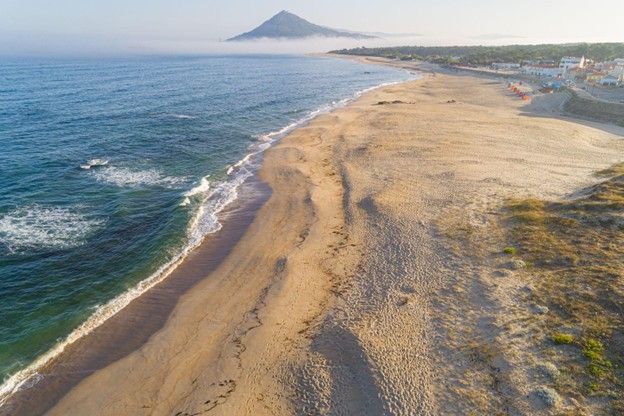
I don't know—maybe my wife has a point. Caminha living would be the quintessence of a relaxed, LL Bean-lifestyle of fresh seafood, mountain hikes, beach strolls, and winter rains, and warm sunny summers with regular excursions into Spain.
At these prices, it's something to think about.








No comments:
Post a Comment