Algorithms track what humans miss: The hidden risks in the 12% S&P forecast.
| | | | Alpha Summary: The economy has detached from retail market hopes. Our models indicate a harsh truth. The dream of fast, low-interest cash has hit a fragile reality. We pulled new data on March 21, 2026. The Federal Reserve kept its base rate at 3.50%–3.75%. This is the second meeting in a row. Human traders still expect quick rate cuts. But our algorithms see sticky inflation and global shocks. These point to a strict "higher-for-longer" rule. Investors must use the current valuation asymmetry to win. You must shift to safe yields. Trade the data, not the emotion. |
| |
| | |
| | | | | Pricing the Geopolitical Wildcard | Factoring in macroeconomic headwinds, our models indicate a major shift in global energy. We must reset our inflation targets right now. Recent global conflicts have cut oil supplies. The world lost about 8 million barrels per day. As a result, our algorithms map a clear path. Crude oil ($USO) has a high chance to cross $100/bbl. | This is a statistically significant supply shock. It kills retail hopes for a summer rate cut. Algorithmic divergence is peaking right now. Stock markets expect a happy, dovish pivot. But bond and futures markets tell a different story. The central bank has a clear goal. It wants to crush energy-driven inflation. It does not care about calming the stock market. | Correlating this with historical trends, big energy shocks hurt shoppers. Consumer spending will drop hard soon. Traders now see a 99% probability of a Fed rate hold. Rates will stay flat through the next meetings. Our math does not show a rate cut soon. The first small cut might happen in December 2026. Ignoring this inflation risk threatens your capital. Some investors expect a fast return to easy money. They are fighting the math of the current economy. Algorithms track what humans miss. The data shows the Fed must stop inflation. It will do this even if growth stocks fall. | |
| |
| | |
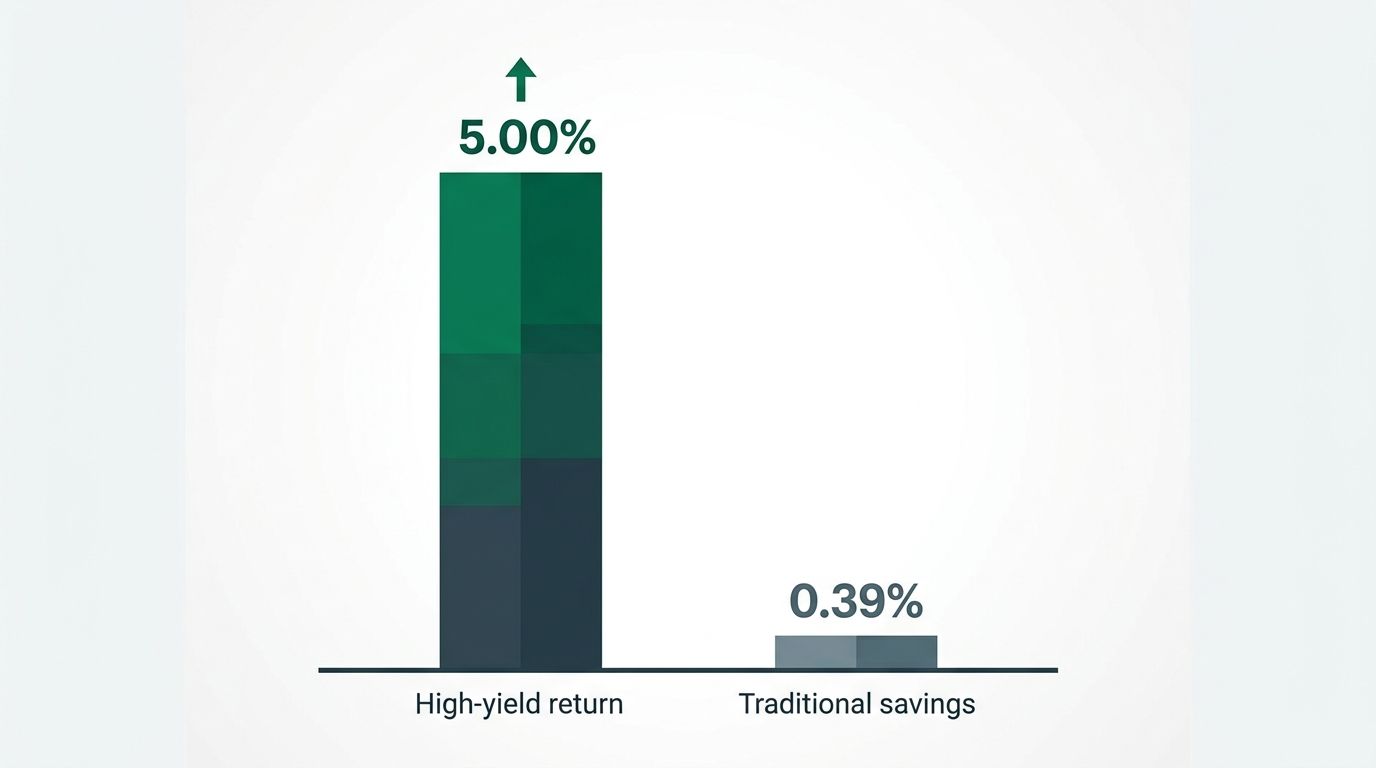
| | | | | The Yield Arbitrage Opportunity | Conversely, algorithmic data suggests a rare chance. An asymmetric risk-to-reward setup exists in cash and short-term assets. Many investors want to protect their capital. A gap exists between the Fed rate and retail banks. This creates a historic, short-term arbitrage window. | We scan bank and institutional yield curves daily. We see a great setup for liquid cash. Top money market accounts now pay 4.00% APY. The best high-yield savings accounts (HYSAs) hit 5.00% APY. We must compare this to normal savings accounts. The national average is just 0.39% to 0.56%. This gap shows a huge market flaw. Passive cash is losing value to inflation. | Data Points for Yield Optimization: | The Spread: The gap between top HYSAs (5.00% APY) and the average (0.39%) is huge. It is over 450 basis points. The Duration Risk: The Fed still plans one small cut in late 2026. These peak yields carry duration risk. They will decay over time. The Capital Buffer: A locked 4.00% to 5.00% yield is a math-based shield. It protects against wild swings in the stock market.
| Analysts and our mean reversion models issue a warning. These high yields are a short-term gift. The central bank will cool rates eventually. The best math move is to lock in rates now. Move idle cash into these high-yield accounts. Investors can get great returns on risk-free assets. | We tested this strategy against past "higher-for-longer" cycles. Grabbing cash yields early works best. It beats holding cash in normal bank accounts. It often beats broad stock funds during uncertain times. The market offers a rare, risk-free bonus. Using this 4.00% to 5.00% window is not just defense. It is a smart, active way to make money. It creates alpha while the market faces the expectation gap. We suggest fixing your cash mix now. Get these peak rates before the December 2026 pivot. That pivot will drop yields fast. | |
| |
| | |
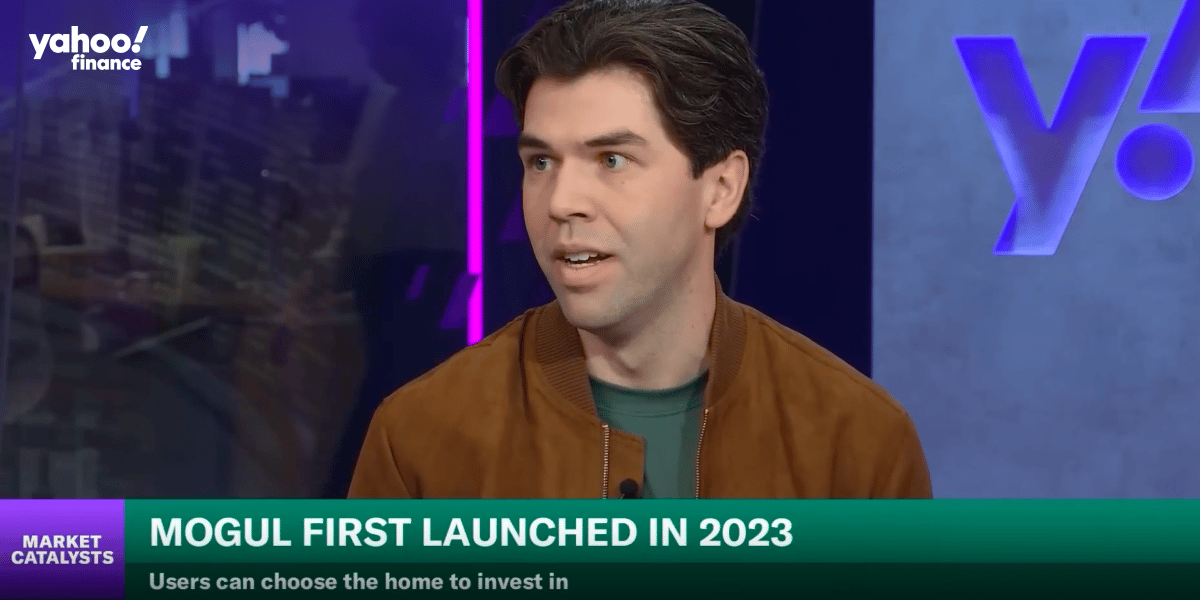
| | | | | Experts Would Invest $100,000 in This Alternative Now | | A new report shows 44% of family offices are investing more in residential real estate. Now, you can access these assets with mogul. This platform lets you invest in properties producing +7% yields and 18% IRRs. Plus, they do all the property management for you. | Join 20,000 investors today. | Past performance isn't predictive; illustrative only. Investing risks principal; no securities offer. See important Disclaimers |
| |
| | |
| | | | | Equity Valuation Asymmetry | Some bank models expect the S&P 500 ($SPY) to jump 12% in 2026. They base this on artificial intelligence spending. But our tests find deep cracks in this bull run. A growing valuation asymmetry exists in stocks. Huge AI gains in big tech stocks ($QQQ) hide the truth. They mask weak consumer demand and bad economic stress. | The main risk is market pricing. Stocks are priced for a fast dovish pivot. The Fed has clearly said this will not happen. This creates a dangerous sentiment divergence. Stock prices assume very cheap money. But the actual Fed rate is 3.50%–3.75%. This gap makes a sharp mean reversion highly likely. | Smart investors want to protect their cash. The market winds are shifting fast. Our models indicate a need to move money. Sell expensive growth stocks that need cheap debt. Our algorithms prefer short-term bonds and quality stocks. Buy large-cap value stocks ($VTV). Look for steady cash flows and strong balance sheets. These can survive a long period of high rates. They also beat high inflation. |
| |
| | |
| | | | | Risk Matrix & Probable Outcomes | We turn these facts into clear steps. Our models built a Risk Matrix for late 2026. The biggest threat to your money is the expectation gap. Traders bet the Fed will cut rates early. The math forces the Fed to fight sticky inflation. Betting on fast, easy money is a bad idea. It is a statistically low-probability bet. | Probable Outcomes & Risk Matrix: | Base Case (65% Probability): The Grinding Plateau Mechanics: Oil prices settle between $90/bbl and $100/bbl. Inflation stays sticky above the 2% target. The central bank holds the 3.50%–3.75% rate through Q3 2026. Impact: Safe cash pays 4.00%–5.00% APY. This beats the stock market on risk. Big tech stocks trade sideways. Small-cap stocks ($IWM) crash due to high debt costs.
Bear Case (25% Probability): The Stagflationary Shock Mechanics: Global conflicts grow worse. Oil shoots past $100/bbl. Supply chain blocks spike the Consumer Price Index (CPI). The Fed must plan another rate hike. Impact: A brutal mean reversion hits all stocks. The 12% S&P 500 gain vanishes. Long-term bonds lose value. Short-term Treasury bills ($BIL) and cash become the only safe spots.
Bull Case (10% Probability): The Immaculate Disinflation Mechanics: Energy shocks end quickly. AI tools lower labor costs. Inflation drops fast without causing a recession. Impact: The Fed cuts rates before December 2026. Stocks boom higher. Cash yields drop at once. This hurts savers who did not lock in rates.
| Actionable Intel:
Our math gives a clear rule. Use the current 4.00%–5.00% yields now. Build up your cash and fixed-income assets. Do not buy too many growth stocks. They need cheap money to survive. That cheap money is not coming back soon. Shift your money to quality stocks. Look for high cash flows. Lock in peak money market rates today. This protects you from our base case. Algorithms track what humans miss. Trade the data, not the emotion. |
| |
| | |
|
|
| | | | Update your email preferences or unsubscribe here © 2026 Investor Network AI 228 Park Ave S, #29976, New York, New York 10003, United States | | Terms of Service | |
|
|
|
|
|



No comments:
Post a Comment