DAILY POSTCARD | THURSDAY, MARCH 5, 2026 |
|
|
Dear International Living reader, Many Americans dream of a life in France—but some famous towns can be pricey, crowded, and frustrating. This guide reveals five places where expats are thriving… From sunny Green Provence and vibrant Montpellier… to storybook Dordogne, coastal Nice, and foodie Lyon… Plus two popular picks many wish they'd avoided… | P.S. You could retire to Europe and live the good life for a fraction of what it would cost if you stayed home. Our 618-page book European Living can help you do it… and it's now available for FREE as part of a special limited-time membership offer. If you want to get your hands on this detailed guide to living in Europe, you need to claim it here. |
|
|
Beyond Paris: Five Places to Settle—and
two to Skip |
|
|
| France remains at the top of Americans' wish lists for life abroad—and for good reason. But here's the truth most glossy brochures won't tell you: not every charming French town makes a good place to actually live. Some famous names come with crowds, high prices, and daily frustrations that wear thin fast. |
|
|
The good news? France is full of lesser-known regions that offer the same beauty, culture, and lifestyle—without the headaches. Here are five places where expats are thriving right now… and two popular choices many wish they'd skipped. |
Green Provence (Provence Verte) |
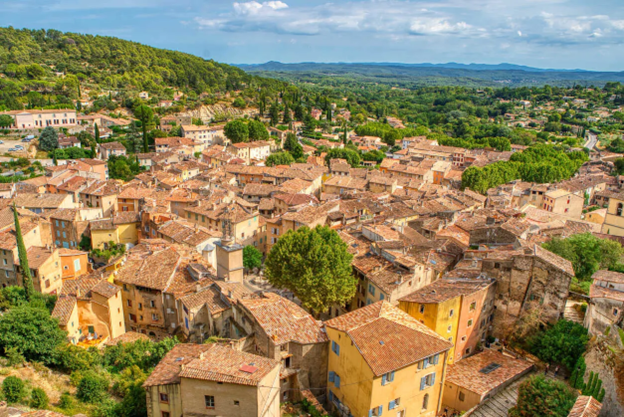
Peter Mayle's A Year in Provence helped put Provence on the map—especially the golden towns of the Luberon. For decades, favorites like Aix-en-Provence, Saint-Rémy-de-Provence, and Avignon have drawn Brits and Americans in droves. With that popularity came higher prices and fewer available homes. They're still wonderful to visit—especially off-season—but increasingly difficult to settle in. Provence is still that fairytale, though, if you go a bit farther afield to Provence Verte (Green Provence). About an hour inland from Toulon, it's less flashy and more livable: vineyards, forests, golden-stone abbeys, hiking and cycling routes, plus scenic lakes and river canyons. Life is meant to be lived outdoors under the sunshine that's long defined southern France. Days here revolve around farmers markets, café mornings, long lunches, and balades (walks) to waterfalls. With 43 villages—several among les plus beaux villages—your calendar fills easily with art shows, jazz concerts, and village festivals (including rosé celebrations in Cotignac). Other village favorites include Lorgues, Carcès, Aups, Tourtour, and Entrecasteaux. Housing can run 15%–20% less than coastal neighbors, and in several areas move-in-ready village homes can still be found for under $200,000. |
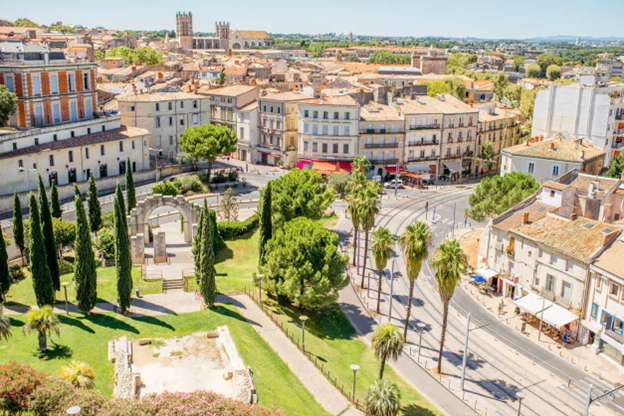
A youthful Mediterranean city blending historic streets, modern design, and easy living. |
Often called "the other south of France," Occitanie (formerly Languedoc) offers Mediterranean light and ease with a more grounded vibe than the Côte d'Azur. If you want sunshine and a relaxed pace without the Riviera price tag, Montpellier is a strong contender. Neighborhoods branch out from Place de la Comédie, and the city blends classic architecture with bold, modern structures like L'Arbre Blanc and the Hôtel de Ville. Culture is constant: the Opéra Orchestre National anchors the main square, and the nearby Corum hosts lectures, festivals, and performances year-round. Montpellier's real charm, though, is its everyday lifestyle—terraces, friends, and the outdoors. Healthcare is another plus: the city's CHU network includes six hospitals, two clinics, and a medical institute. When you want a break, the sea is close—Carnon Plage is about eight miles away, and La Grande-Motte makes an easy Mediterranean escape. You're also well-positioned for road trips toward Spain, and the airport connects to many European destinations and the UK, with onward links via Charles de Gaulle. |
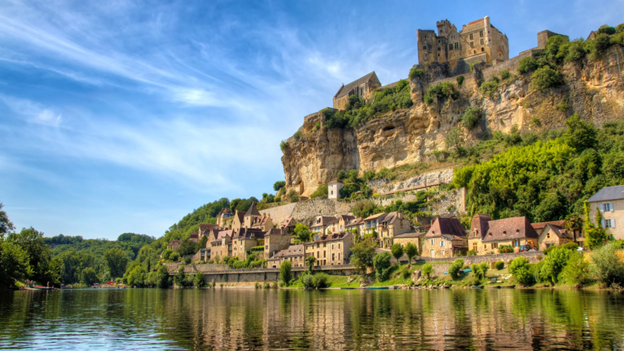
Both a département and a river, the Dordogne—often called the Périgord—is the golden heartland of the southwest (part of Aquitaine). For many dreamers, this is quintessential rural France: honey-colored stone farmhouses with russet tile roofs, walnut groves, sunflower fields, and rivers that mirror fairytale châteaux perched on wooded cliffs. It's also a region where "culture" means thousands of years, not just centuries. Valleys are honeycombed with caves and shelters where prehistoric people left markings on stone walls. And you'll find numerous bastide (fortified) towns dating to the 13th and 14th centuries, built during the Hundred Years' War when Aquitaine was contested by French and English powers—until the English were finally driven out in 1453 after the Battle of Castillon. For buyers who want space, beauty, and a slower rhythm, the Périgord can feel like stepping into the life you imagined. |
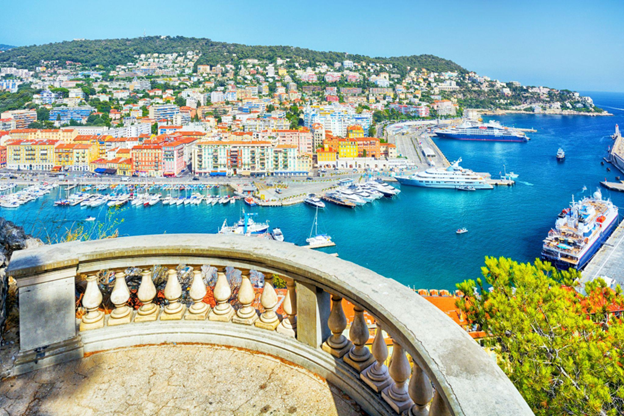
Sea views, palm-lined promenades, and a vibrant city life on the French Riviera. |
As France's fifth-largest city—and the second largest in Provence-Alpes-Côte d'Azur (after Marseille)—Nice has long been one of the country's most desirable places to live. Close to the Italian border and facing the deep blues of the Mediterranean, it pairs city convenience with near-perfect weather. The iconic Promenade des Anglais traces the coast for about four and a half miles, passing landmarks like the Hotel Negresco, Le Royal Hotel, and the Masséna Museum. Along the water, beach clubs and cafés line the boulevard, and the pebbly beaches—Beau Rivage, Castel, and Opéra, among many others—create a daily parade of walkers, joggers, and cyclists. Nice has a long-established international character, with Italian, North African, and English influences, plus a growing American presence drawn to Riviera living. Between the arts scene (second only to Paris), the outdoor life, and the climate, the appeal is obvious. |
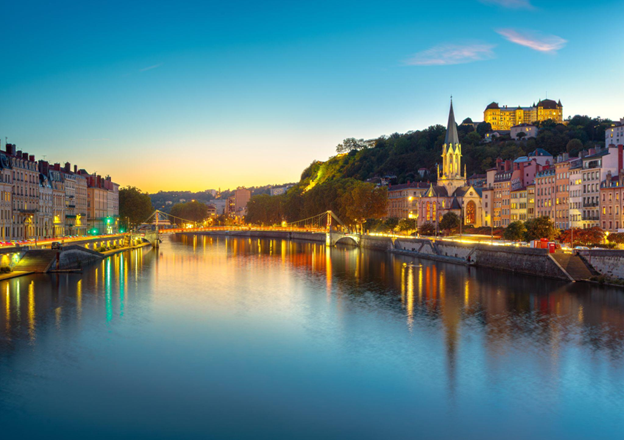
To outsiders, Lyon can look like a runner-up to Paris. To many who live there, it hits the sweet spot: a sophisticated city that still feels livable. With museums, theaters, festivals, excellent markets, and an extensive public transportation system, it's easy to handle everyday life without a car. Elegant buildings in warm hues line walkable neighborhoods, and two rivers—the Saône and the Rhône—cut through the city, with locals picnicking, biking, and strolling along the banks. Then there's the food: Paris may be the capital, but Lyon is widely celebrated as the capital of French gastronomy, with a proud local culture built around exceptional ingredients and memorable meals. Places to Think Twice About France has no shortage of wonderful places to live, but popularity doesn't always translate into livability. These two locations remain beautiful and well known, yet many expats find the trade-offs are worth weighing carefully. Orange, South of France Provence is packed with romance—vineyards, hilltop villages, and postcard towns. The Luberon area includes beloved stops like Ménerbes, Gordes, and Fontaine-de-Vaucluse, and the broader region is associated with sunny weather, great food, and coastal glamour (including St. Tropez). Still, some towns can feel isolated or surprisingly short on the amenities and social variety that make day-to-day life satisfying. For many, Orange lands in that category. Despite its Roman heritage (including a Roman theater and Arc de Triomphe listed as UNESCO World Heritage sites), residents often describe it as lacking dynamism. Restaurants may be a highlight, but people cite fewer public gardens, limited evening life, and not enough shopping or entertainment options. Public transit beyond the city bus is limited, and some complain about pollution from the RN7 highway running close to town. Orange can be an interesting day trip—especially in summer—and it's near the vineyards of Châteauneuf-du-Pape and about 30 minutes from Avignon, but some expats find it less fulfilling as a full-time base. Mulhouse, Alsace As Alsace's second-largest city, Mulhouse sits near both Germany and Switzerland and is well served by public transportation. It's known for industry and innovation, with manufacturing strengths across chemicals, electronics, and engineering. But many feel Mulhouse doesn't capture the fairytale charm people expect from Alsace—the half-timbered villages and flower-box beauty found in places like Colmar, Riquewihr, and Kaysersberg, or the famous holiday atmosphere of Strasbourg. While Mulhouse has a historic center, large parts of the city feel more industrial and harder to love, and some residents raise concerns about safety and a lack of evening life. As a visit, it can still shine for niche interests—especially with museums like the Cité de l'Automobile—and the Basel–Mulhouse–Freiburg airport nearby provides solid connections. |
|
|
Editor's Note: You can read more about France in European Living—The Complete Manual for Americans Over 55. Inside you'll find details on all of Europe's top retirement havens, including many overlooked gems like Bragança. Plus, you'll get a guide to European passports and visas, where to invest throughout Europe, and many, many insider tips on how to make the most of your European retirement. Best of all, you can get it for FREE right now with our very special membership offer. Don't miss out on your chance for a European adventure—get your FREE copy here today. |
|
|
Most people don't think about this until it's too late. But with just a few hours this weekend, you can begin to set up something simple that could save you from a lot of stress down the road. No drastic changes. No big expenses. Just a smart, proven plan that's been used quietly for years by people who want more control over their lives. Once you see it, you'll wonder why no one told you sooner. Watch the FREE webinar now to learn more. |
| |
|
Inbox too crowded? Don't worry—if you can't keep up with our International Living Postcards every day, click here to switch to the Weekly Best of IL Postcards instead. If you no longer wish to receive IL Postcards, click here to unsubscribe. Your feedback is very important to us, so if you would like to contact us with a question or comment, please click here. © 2026 International Living Publishing Ltd. All Rights Reserved. Protected by copyright laws of the United States and international treaties. This newsletter may only be used pursuant to the subscription agreement and any reproduction, copying, or redistribution (electronic or otherwise, including on the world wide web), in whole or in part, is strictly prohibited without the express written permission of International Living, Woodlock House, Carrick Road, Portlaw, Co. Waterford, Ireland. Registered in Ireland No. 285214
Website: www.internationalliving.com Nothing in this e-mail should be considered personalized advice. Although our employees may answer your general customer service questions, they are not licensed under securities laws to address your particular situation. No communication by our employees to you should be deemed as personalized advice. NO-SPAM PLEDGE: We Value Your Privacy. We will NEVER rent, sell, or give away your e-mail address to anyone for any reason. You can unsubscribe at any time. Read the International Living Privacy Policy. Reference Number: |
|
|
|








No comments:
Post a Comment