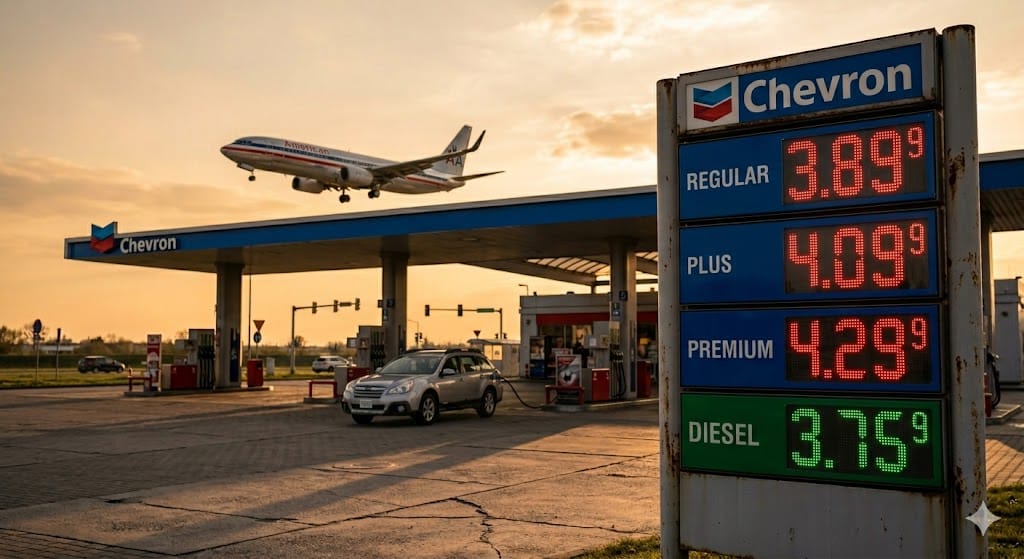
| | | | California officials are warning of $8 gas, but the real danger isn't the pump — it's the high no-show rate at Houston airports happening simultaneously. The overlap of geopolitical war risk and domestic labor instability is the real inflation trigger, not the war alone. For the investor, this signals a shift from isolated market shocks to a compounded systemic stress test that demands immediate attention to portfolio resilience and travel liquidity. |
| |
| | |
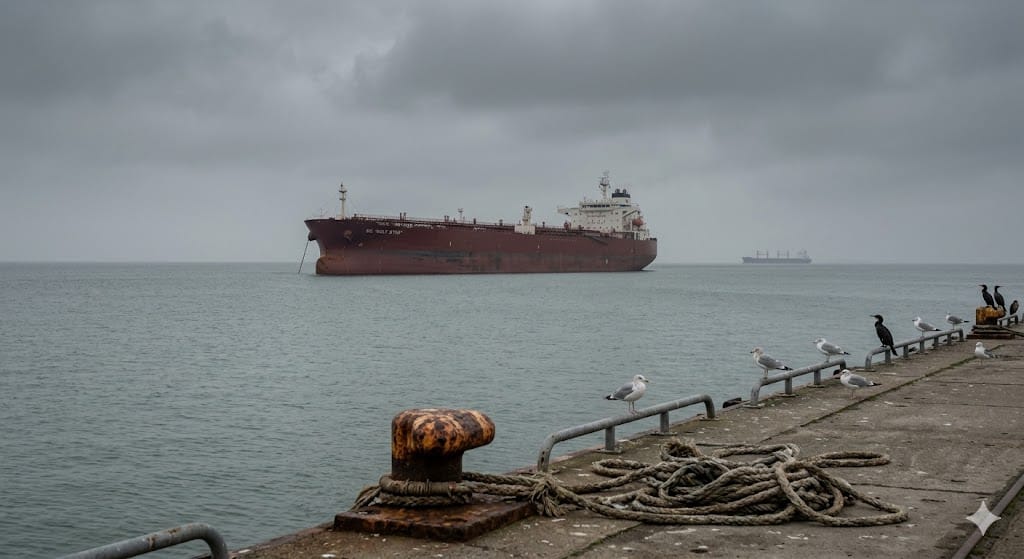
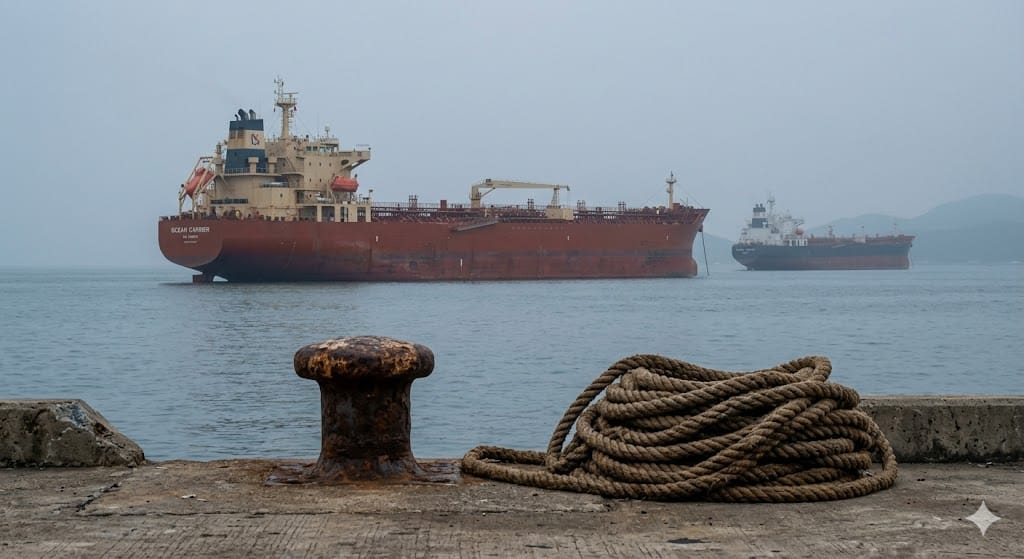
| | | | | The Iran Escalation | | General McKenzie confirmed the U.S. military has been working on ground raid plans in Iran for years. The strategy involves seizing key locations, such as Kharg Island, a critical oil hub, to shut down the Iranian oil economy completely. The U.S. aims to seize islands or small bases for planned withdrawals, which would be profoundly humiliating for Iran and give the U.S. great weight in negotiations. | The deployment of 3,500 sailors and Marines aboard the USS Tripoli to the Centcom area in the Middle East underscores the seriousness of the situation. U.S. officials have not confirmed a decision to use ground troops, but the buildup suggests a readiness to respond to Iranian actions. The potential for a conflict in the region raises concerns over energy prices and inflation, as seen in California's warning of $8 gas. | Historical parallels suggest that even the threat of such a deployment can trigger immediate price spikes in crude futures. When major energy infrastructure is threatened, markets do not wait for confirmation of a strike; they price in the risk of supply interruption instantly. This dynamic is particularly dangerous for retirees relying on fixed income, as inflation erodes purchasing power faster than anticipated when energy costs surge. |
| |
| | |
| | | | | Attio is the AI CRM for modern teams. | | Connect your email and calendar and Attio instantly builds your CRM. Every contact, every company, every conversation — organized in one place. Then ask it anything. No more digging, no more data entry. Just answers. | Start your free trial → |
| |
| | |
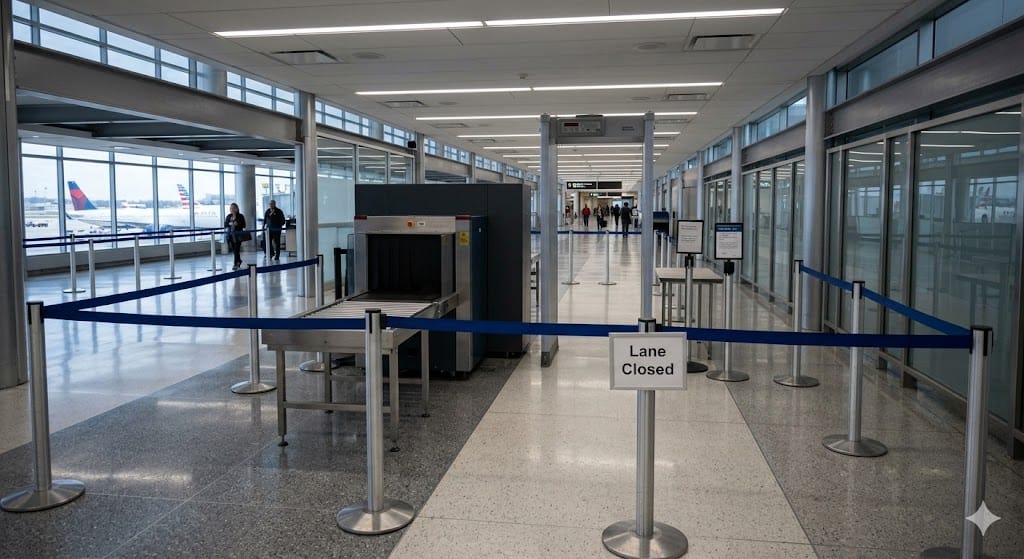
| | | | | The Domestic Friction | The TSA strike data reveals a 38.3% no-show rate at George Bush Intercontinental Airport in Houston, according to the Department of Homeland Security. This is one of the highest rates nationwide, reflecting significant staffing challenges. More than 500 TSA officers have quit since the funding crisis began, adding to the strain on airport security operations. | The pay freeze, which has lasted for 44 days, has led to widespread frustration among TSA workers. Despite a presidential directive to resume paychecks, many officers continue to call out sick, indicating a lack of confidence in the agency's stability. This workforce breakdown compounds the foreign energy threat, revealing a broader systemic fragility with far-reaching economic consequences. | This internal friction creates a unique bottleneck for the travel industry that is distinct from fuel costs. Even if oil prices stabilize, the inability to process passengers efficiently leads to cascading delays, missed connections, and increased operational costs for airlines. These costs are often passed down to the consumer in the form of higher ticket prices or reduced flight availability, directly impacting the ability of older investors to maintain their travel schedules. | |
| |
| | |
| | | | | The Macro Synthesis | These simultaneous foreign and domestic pressures create a volatile dual macro risk for the U.S. economy. The combination could drive up inflation and disrupt travel plans, affecting the economy and consumers. | This dual-threat scenario is rare in modern economic history. Usually, supply shocks are either geopolitical or domestic, rarely occurring with such intensity at the same time. When energy supply is threatened abroad and labor supply is threatened at home, the economy faces a "stagflationary" pressure where growth slows while prices rise. | For a portfolio constructed for stability, this environment requires a re-evaluation of exposure to both energy-dependent sectors and consumer discretionary services. |
| |
| | |
| | | | | Three Scenarios This Week | | War De-Escalates, Gas Stabilizes: A diplomatic resolution in Iran could ease tensions and stabilize energy prices. However, the TSA staffing crisis may persist, creating ongoing disruptions in air travel. War Continues, TSA Strikes Worsen: If the conflict in the Middle East escalates, gas prices could rise further, compounding the effects of the TSA labor shortage. This scenario would likely lead to a spike in inflation and travel disruptions. Both Stabilize, Volatility Remains: A partial resolution in Iran and a slow improvement in TSA staffing could lead to a more stable, but still uncertain, macro environment.
|
| |
| | |
| | | | | Why Your Portfolio Needs a Gold Hedge | | In this specific environment, traditional safe havens like long-term bonds may struggle if inflation remains sticky due to these supply shocks. Gold and other tangible assets often perform well when there is a loss of confidence in currency stability or when geopolitical tensions drive up the cost of essential goods. Diversifying into assets that are not directly correlated with the dollar or domestic labor markets can provide a necessary buffer against the specific risks outlined in this week's briefing. | Furthermore, liquidity management becomes critical. With travel disruptions potentially lasting weeks, having accessible cash reserves for unexpected itinerary changes is as important as investment allocation. Retirees should review their emergency funds to ensure they can cover immediate travel costs without liquidating investments at a loss during a market dip. |
| |
| | |
|
|




No comments:
Post a Comment