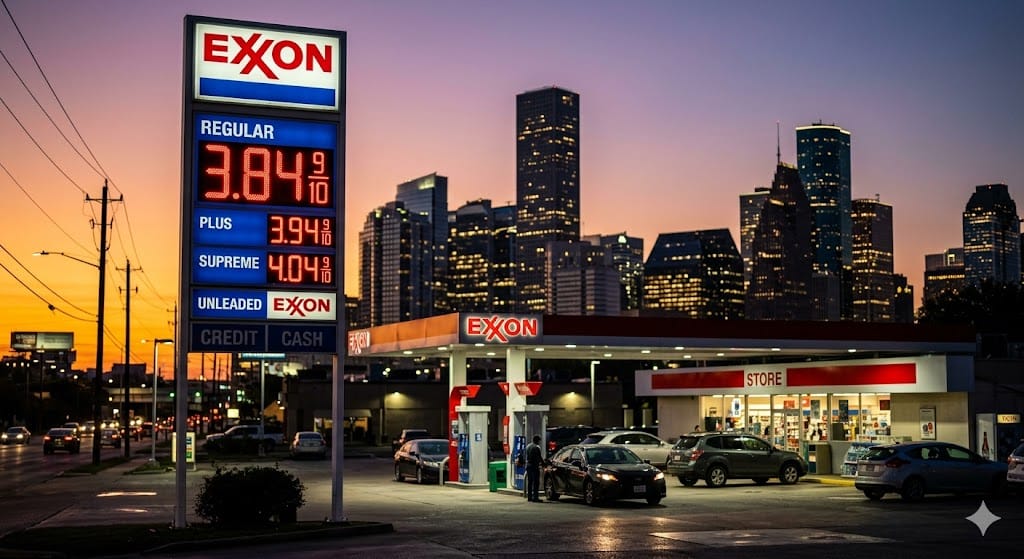
| | | | The S&P 500 dropped 1.37% yesterday, marking its worst Fed-day performance since 2024, but the real trigger wasn't the rate cut count—it was gas prices hitting $3.84 at the pump. While the Federal Reserve delivered a hawkish scenario projecting only one cut, the market's reaction was driven by a pivot that raised the inflation forecast to 2.7% and referenced Iran war uncertainty, compounded by Brent crude soaring above $100 per barrel. | This convergence of a tighter monetary outlook and tangible energy costs pushed the S&P 500 down to 6,624, a 6.5% decline from its highs, and sent Bitcoin tumbling below $71,000. The sudden spike in national gas prices to $3.84 transformed abstract inflation data into a daily financial reality, proving that the market's fear stemmed less from the number of cuts and more from the immediate impact of rising energy costs on consumer purchasing power. |
| |
| | |
| | | | | The Fed Pivot: Hawkish Tone Surprises Markets | The Federal Reserve's latest decision marked a notable pivot in its monetary policy approach, signaling a more cautious stance on inflation. The revised inflation forecast reflects concerns about the persistence of price pressures, indicating that the Fed is not as confident as previously anticipated in achieving its inflation target. | The FOMC's revised economic projections revealed a more hawkish outlook, with fewer cuts than the previously expected two to three. This change in tone reflects the Fed's assessment of the current economic landscape, where inflation remains a significant concern despite recent improvements in employment and consumer spending. | The market's immediate reaction to this hawkish pivot was a sharp sell-off in equities. This move underscores the sensitivity of investor sentiment to the Fed's statements and projections, as the market interprets the central bank's actions as a signal for future policy direction. The combination of a revised inflation forecast and a more hawkish stance on interest rates has created a volatile market environment. | |
| |
| | |
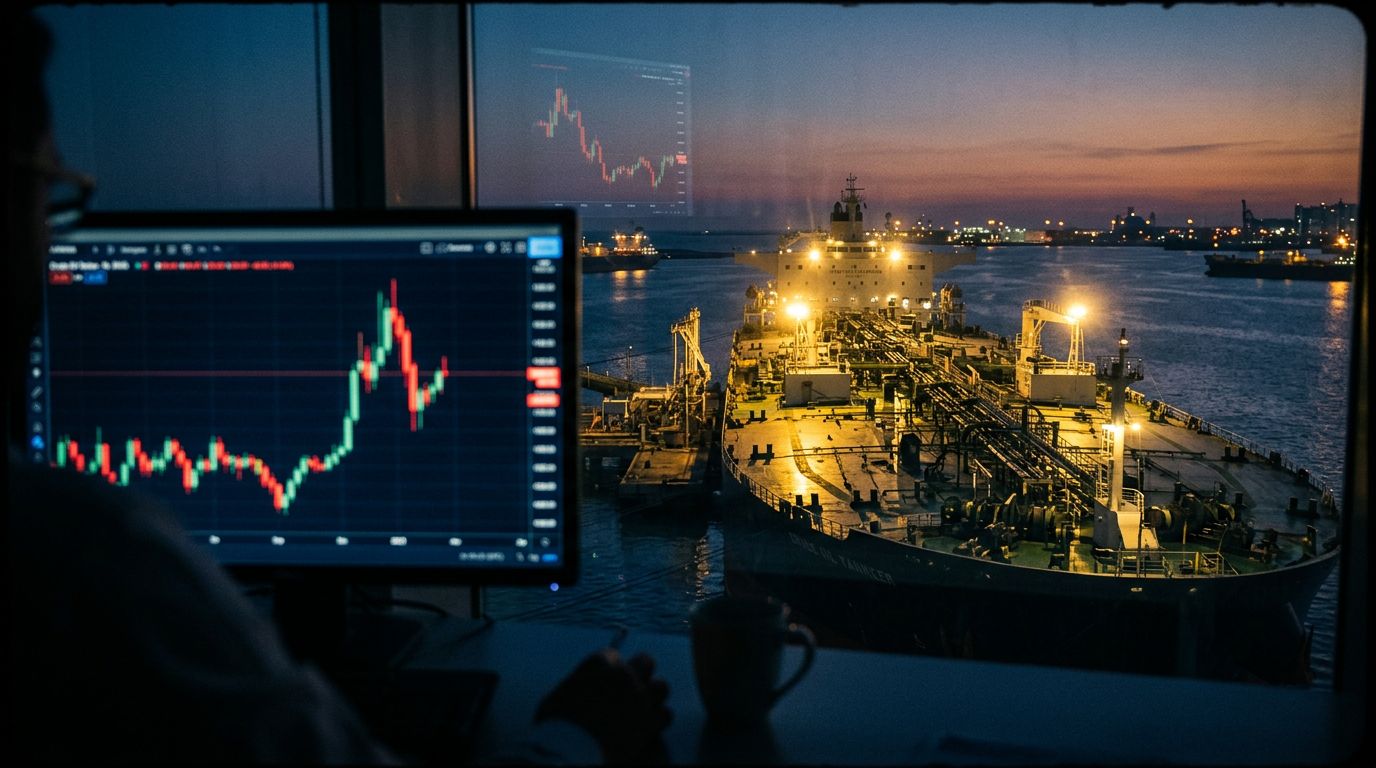
| | | | | Three Key Takeaways | The S&P 500's decline from its highs indicates a loss of investor confidence in the current economic outlook. Bitcoin's drop—down 44% from its October 2025 high of $126,198—illustrates the cryptocurrency's sensitivity to macroeconomic factors. As a correlated risk asset, Bitcoin's price has moved in lockstep with equities during this selloff. | Brent crude climbing past the $100 mark underscores the supply disruptions stemming from the ongoing Strait of Hormuz closure, now on Day 19. This correlation between asset classes highlights the importance of monitoring macroeconomic indicators. Elevated oil prices feed directly into consumer-level inflation, which could influence both business investment decisions and the overall economic outlook. |
| |
| | |
| | | | | The Energy Inflation Anchor: $3.84 Changes Everything | | The real driver of market anxiety was not abstract inflation forecasts but the tangible price at the pump. The $3.84 level crosses the "visibility threshold" where energy costs become a lead story rather than a background fact. | This visibility amplifies inflation's psychological weight. It is the consumer experience—not the forecast—that drives market sentiment. When gas prices rise, it is a visceral reminder of economic vulnerability. | This psychological shift matters because markets react to perception, not just numbers. The energy inflation anchor is also amplified by the geopolitical backdrop, with ongoing disruptions around the Hormuz chokepoint visible in every gallon of gasoline pumped at local stations. This convergence of higher prices and geopolitical risk creates a feedback loop: energy costs become a leading indicator of inflation, and inflation, in turn, becomes a political and economic flashpoint. For investors, this dynamic changes the risk calculus. Inflation is no longer a distant macroeconomic variable; it is a household experience. |
| |
| | |
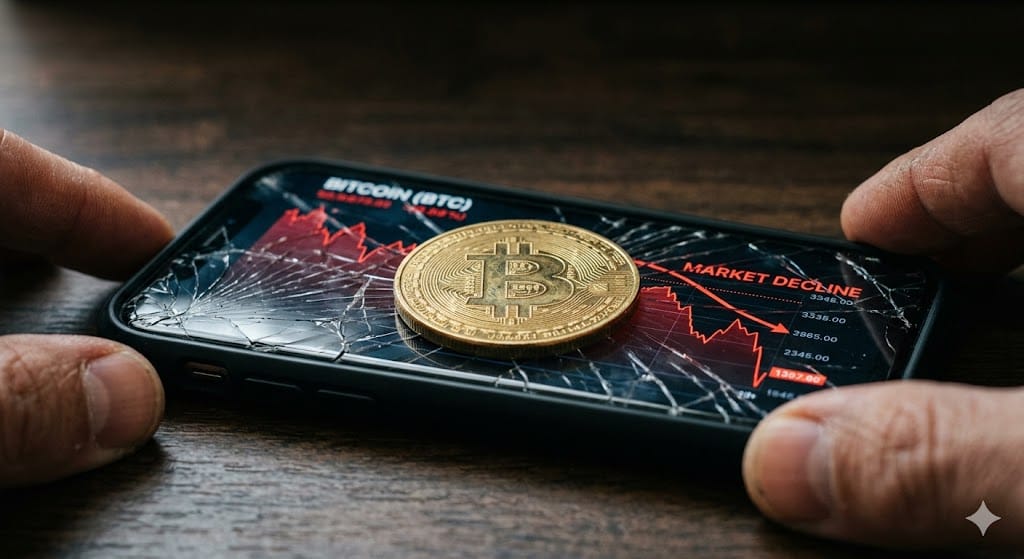
| | | | | Why Crypto Isn't Your Safe Haven Right Now | For individuals in the 40-55 age range, the recent market volatility triggered by the Fed's decision has significant implications for their financial well-being. As inflation rises and energy costs climb, the purchasing power of their savings and investments is at risk. This demographic often holds a substantial portion of their wealth in equities and real estate, making them particularly vulnerable to market fluctuations. | | Loss-aversion psychology plays a crucial role in how investors respond to market downturns. When faced with the prospect of losing value, many individuals may be inclined to adopt a more conservative investment strategy, potentially missing out on future gains. This behavioral response can exacerbate the impact of market volatility, as investors may pull back from the market just as it begins to recover. | The recent decline in Bitcoin's price serves as a reminder that even alternative investments are not immune to the effects of broad risk-off sentiment. For those looking to protect their wealth, diversifying investment portfolios and considering alternative assets can help mitigate the impact of inflation. |
| |
| | |
| | | | | What to Watch This Week | As the market digests the Fed's latest decision, several factors will be critical to monitor. The S&P 500's trajectory will be a key indicator of investor sentiment, particularly as it relates to the inflation and rate outlook. If the index continues to decline, it could signal a broader loss of confidence in the economic outlook. | Bitcoin's price movements will also be worth watching, as further declines may indicate continued uncertainty among investors regarding macroeconomic trends. Developments around Hormuz oil transit and their downstream effect on energy costs will play a significant role in shaping market sentiment. For investors, the combination of these factors will create a complex landscape to navigate. |
| |
| | |
| Go from AI overwhelmed to AI savvy professional | | AI will eliminate 300 million jobs in the next 5 years. | Yours doesn't have to be one of them. | Here's how to future-proof your career: | Join the Superhuman AI newsletter - read by 1M+ professionals Learn AI skills in 3 mins a day Become the AI expert on your team
| Start learning AI now | | |
|



No comments:
Post a Comment