Large vineyard estates had begun splitting into smaller parcels, allowing outsiders to buy just a few acres without needing to run a farm themselves.
The model was almost like "vineyard condo-izing": you own your piece of land, but pay an annual management fee to local experts who maintain the vines, handle the farming, and manage the harvest.
Buy a few acres… and let professionals run the vineyard.
One of the earliest communities built around this idea was at the top of my list.
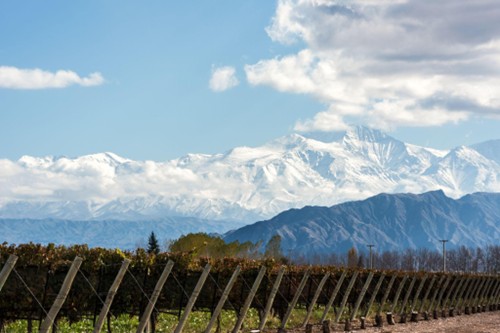
A founder—an entrepreneur with European roots—picked me up and drove me out to the property. The setting was exactly what you'd hope for: long rows of vines, wide open sky, and the sense that you were standing inside someone's postcard.
I wasn't looking for a house. I wanted a small plot—something manageable, with real vines already in the ground. I chose a single-hectare parcel with a handful of old vines and room to plant more.
Some of those vines had been producing for decades, which made the land feel less like a "purchase" and more like an inheritance I was stepping into.
We spent the next few days tasting, talking, and touring nearby vineyards. My host was convinced the region's wines were on the verge of broader global prestige—able to compete with famous labels elsewhere, but still selling at a steep discount.
As with any investment, I didn't buy on the spot. I went home, sat with it, and returned about a month later ready to move forward. I signed the paperwork, paid roughly $50,000, and officially became the owner of a vineyard—an odd sentence to write, even now.
Soon afterward, we organized new plantings—half one classic red variety, half another—plus about 50 olive trees to round out the property.
Each year, most of my harvest is sold as grapes, though occasionally the fruit is pooled with others to produce a small run of bottled wine from the estate. The day-to-day work stays in the hands of the local crew, who know the land and the vines far better than I ever will.
To be clear: selling grapes alone rarely throws off meaningful cash. Only once did my harvest produce profits beyond the few thousand dollars a year it costs to keep the vineyard healthy. But the land itself has been the real story. Over the years, the property appreciated significantly—multiples higher than what I paid—and I still believe it has room to climb.
The "different hemisphere" part has turned out to be an underrated bonus. When winter storms roll through back home, it's summer at the vineyard. And when late-summer heat bears down in California, I can smile at the thought of crisp mountain air and snow sports not far from my vines.
Over the last decade, the region has only grown in popularity, and it's easy to see why: a civilized quality of life, genuine affordability, a rich culture, and those mountains looming nearby. It's rare to find a place that bundles so much into one simple package—especially when you can own a piece of it.






No comments:
Post a Comment