Policy Is Personal | It's easy to think of government policy as abstract. After all, "monetary policy" or "fiscal budgets" sound like terms reserved for economists on TV. But the truth is simpler: | When Washington adjusts tax rates, your take-home pay changes. When Congress approves stimulus checks, your household budget gets an unexpected boost. When regulations shift how banks lend, your ability to borrow or refinance changes overnight.
| Every rule, every bill, and every speech about "the economy" eventually lands on your kitchen table in the form of your paycheck, bills, or savings account balance. | | |
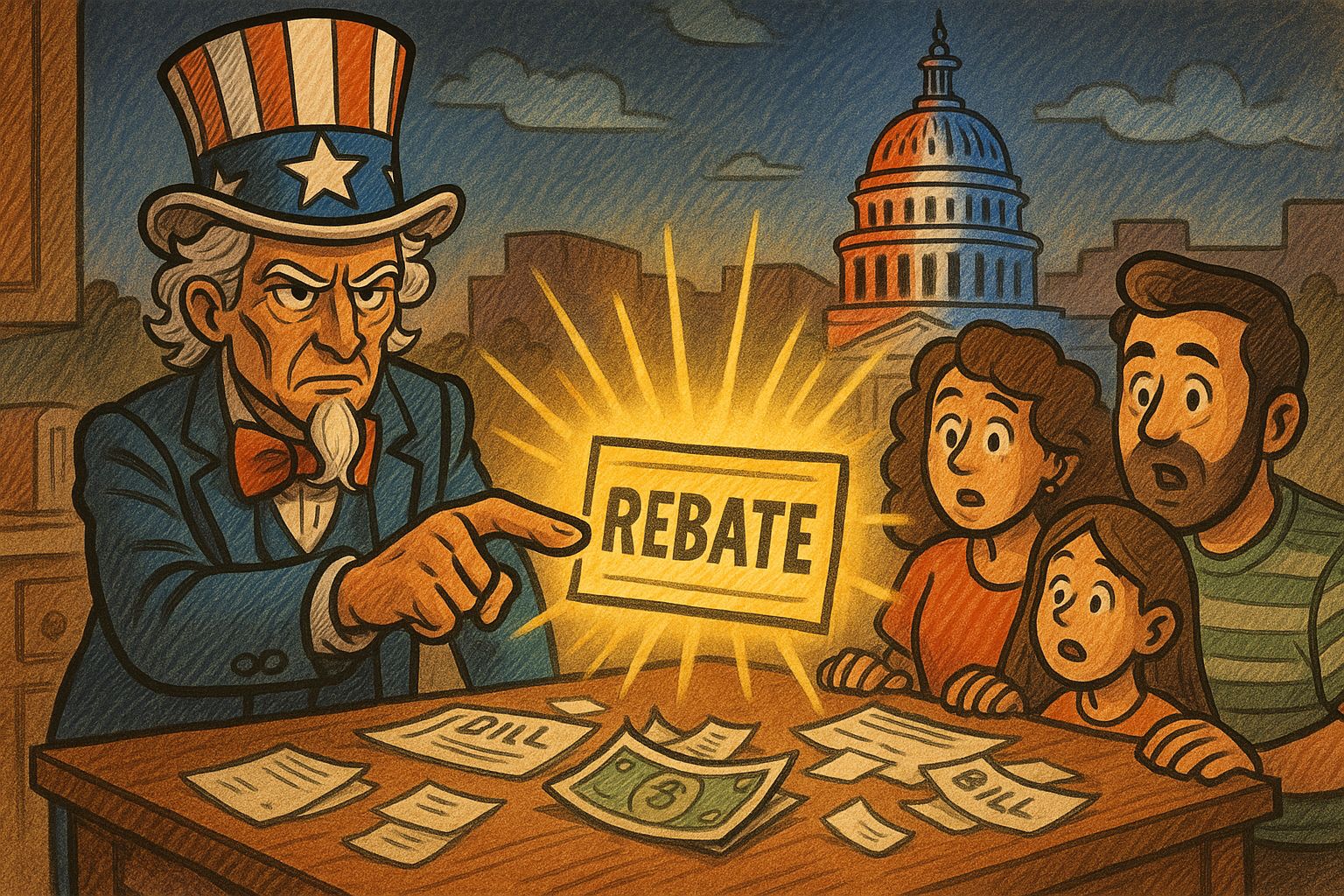
| Donald Trump just did it again. | At a rally, he confirmed his Rebate Stimulus Plan - but it's not just about sending out checks. | Behind closed doors, Trump's team is pushing a strategic wealth‑protection move that could matter far more than a one‑time payment. | | | A Look Back: Stimulus and Relief | Think about 2020–2021. Stimulus checks weren't just a news headline - they were lifelines for millions. Families used them to cover rent, pay medical bills, or catch up on groceries. That's policy in action. | But it wasn't all smooth sailing. Some people found the checks helpful in the short term but still faced long-term financial stress. Others saw inflation rise afterward, eating away at purchasing power. | The lesson? Government relief is real, but it's not magic. It buys time, not permanent security. | Taxes and Rebates: The Invisible Hand in Your Wallet | Another way policy touches your life is through taxes. Even when politicians say, "We're not raising taxes," shifts in deductions, credits, or exemptions can quietly adjust what you owe or get back. | Rebates are one of the most popular moves. They sound simple: money back for taxpayers. But they're often tied to complicated rules. Some Americans qualify, others don't. And sometimes the timing of the payout makes it feel more like political theater than true relief. | Still, for the households who do receive them, rebates can temporarily change spending decisions. Maybe it covers a credit card payment. Maybe it goes into savings. Maybe it helps keep the lights on for another month. | Why You Can't "Outsource" Your Financial Future to Washington | Here's the hard truth: Washington may help, but it won't save you. Relying on rebate checks, stimulus promises, or tax tweaks is like relying on the weather - unpredictable and outside your control. | Smart money management comes from building habits and structures that protect you regardless of the next policy shift. That means: | Emergency Funds: So you're not waiting on the next relief bill. Diversified Investments: So you're not dependent on one market or government-backed solution. Debt Management: So higher interest rates or reduced deductions don't crush you.
| Washington may provide bumps along the road, but your financial independence is what decides whether you arrive safely at your destination. | Preparing for the Next Move | As we look at 2025, discussions in Washington are heating up again. Talk of new rebates, tax reforms, and digital currency policy fills the air. Whether you agree with the politics or not, these shifts matter. | The big question is: will you be ready to use them to your advantage instead of being blindsided? | That might mean planning ahead for a rebate check - not by counting on it, but by treating it as a bonus if it arrives. Or it could mean rethinking your tax strategy in light of upcoming policy changes. | Either way, awareness is half the battle. | Final Thoughts: Washington Shapes the Rules, You Shape the Game | From Washington to your wallet, the pipeline of policy is constant. Rebates, taxes, relief packages, and regulations aren't abstract debates - they're the rules of the game we all have to play. | You can't control what lawmakers decide. But you can control how prepared you are, how flexible your budget is, and how resilient your financial plan becomes. | Stay informed, but don't become dependent. That's the Uncle Sam way. |
|


No comments:
Post a Comment